The Transformational
Anatomy Cohort
A guided immersion into how the body actually works as a connected, adaptive system. For the manual therapist who is ready to change how they see and how they work.
Enrolment
Choose How You'd Like to Join
Both options give you identical access: every video, every call, every bonus. Choose whichever suits you.
- ✓ 88-video dissection course
- ✓ 1-hour Ask Me Anything
- ✓ 12 weekly 1-hour implementation calls
- ✓ Bonus Module 7
- ✓ Cohort of 15, including Julian
- ✓ Monthly check-in calls
Only 14 places are available. Once the cohort is full, this page closes.
What's Included
Inside the Cohort
88-Video Dissection Course
Julian guides you through real dissection footage of the body, showing you how structures actually look, behave, and interact in a way no textbook ever could.
12 Weeks of Weekly 1-Hour Calls
Live implementation calls every week for 12 weeks. Bring your cases, ask your questions, and embed this understanding directly into how you work with clients.
A Cohort of 15, Together
A small group of 15 practitioners, Julian included, working through the material together, sharing observations and clinical insights as they emerge.
Also Included
Three Bonuses, No Extra Cost
1-Hour Ask Me Anything
A dedicated session with Julian. Bring clinical questions, tricky presentations, or anything from the course you want to dig deeper on.
Bonus Module 7
An additional module covering fascia, the shoulder, and further detail on how the body is put together. Extra material included for cohort members.
Monthly Check-In Calls
After the 12 weeks, ongoing monthly calls keep the community going and the learning embedded in your practice.
Verified Reviews
What Therapists Are Saying
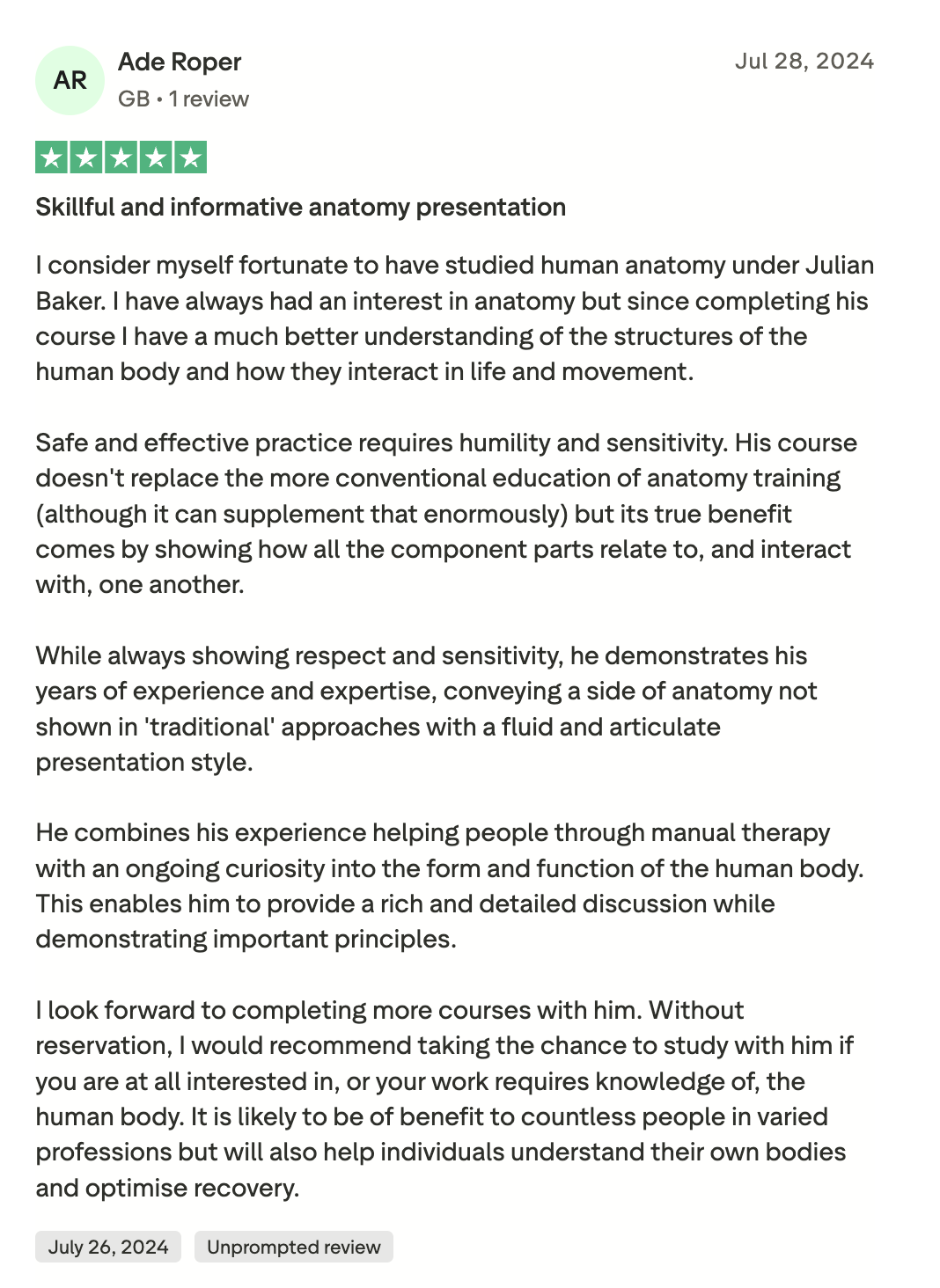
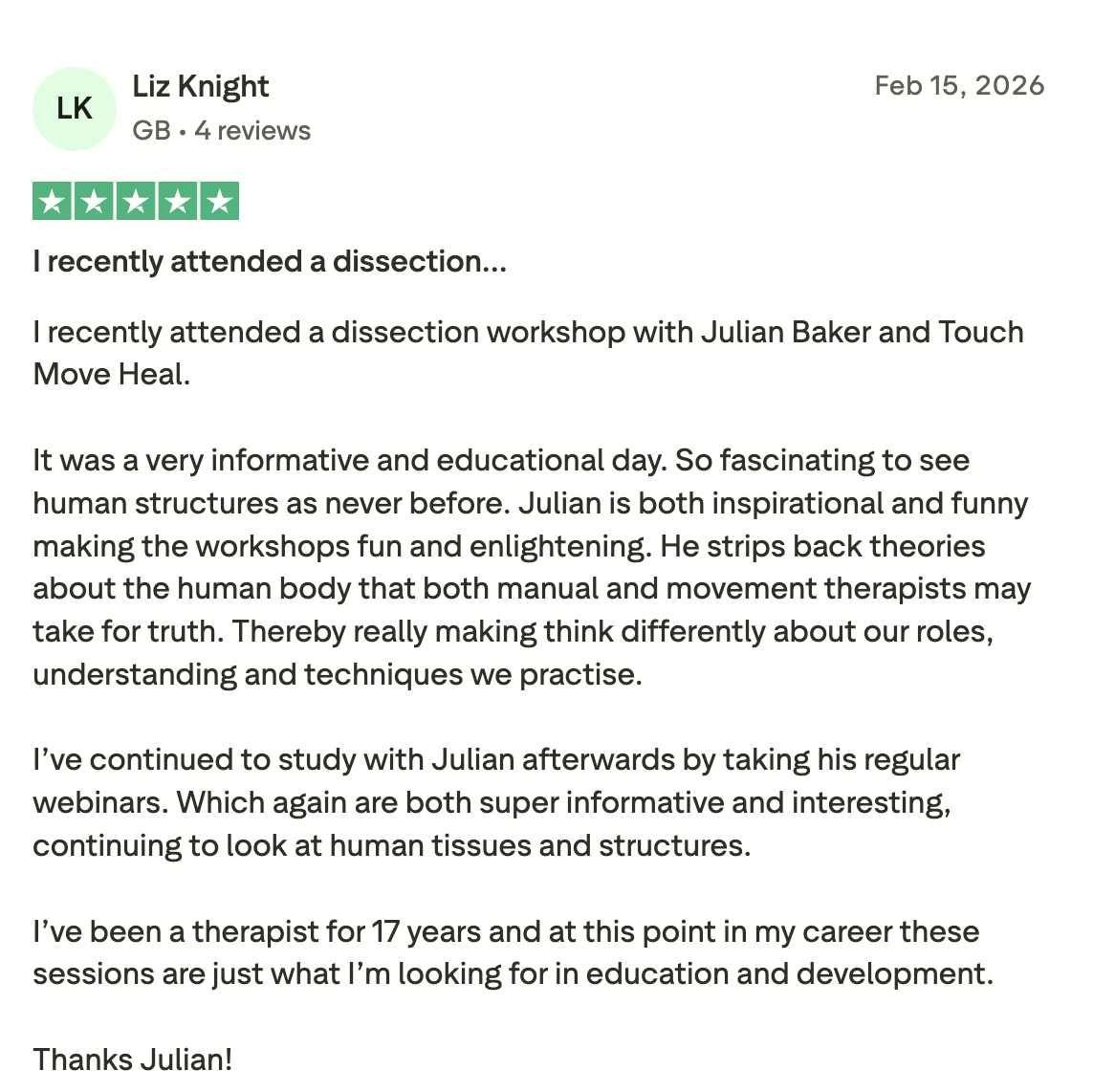
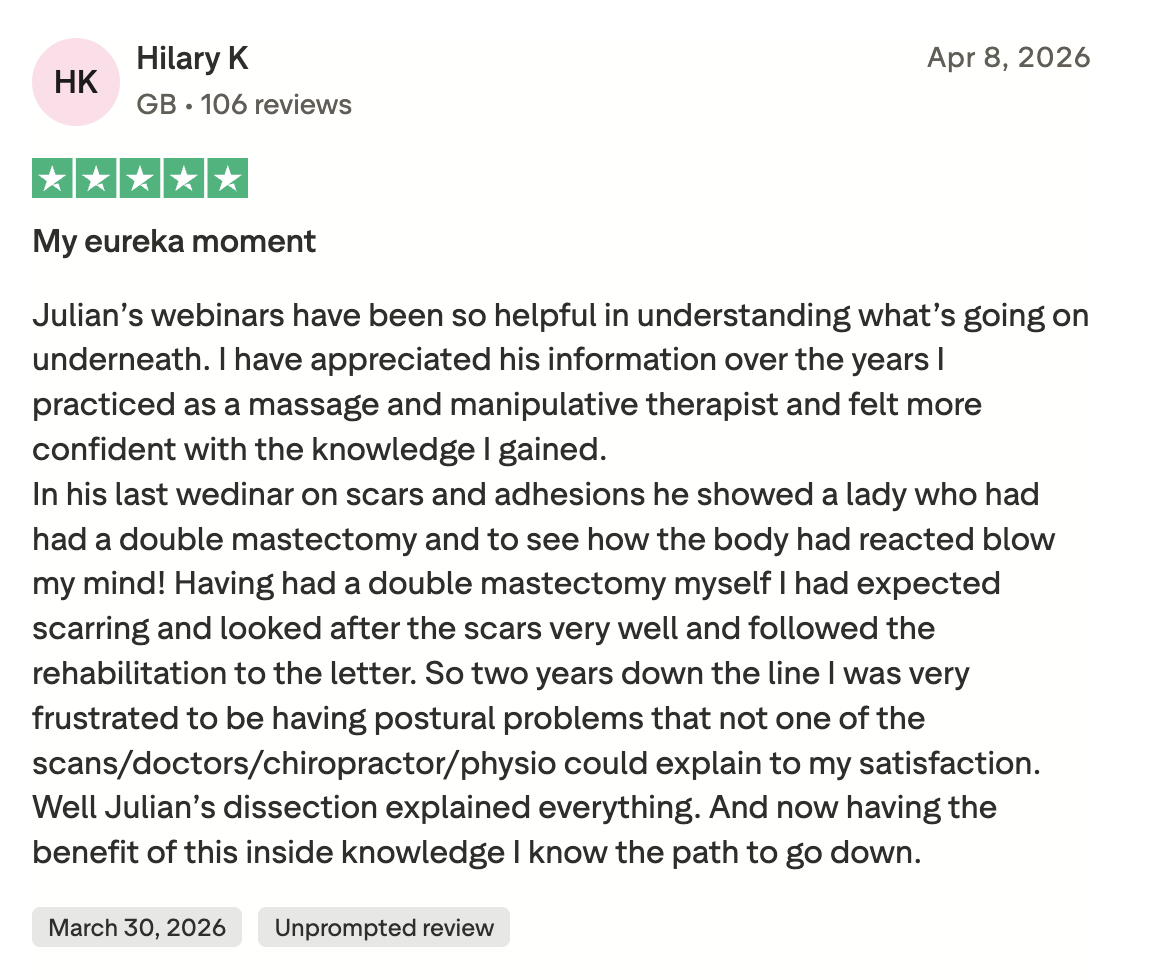
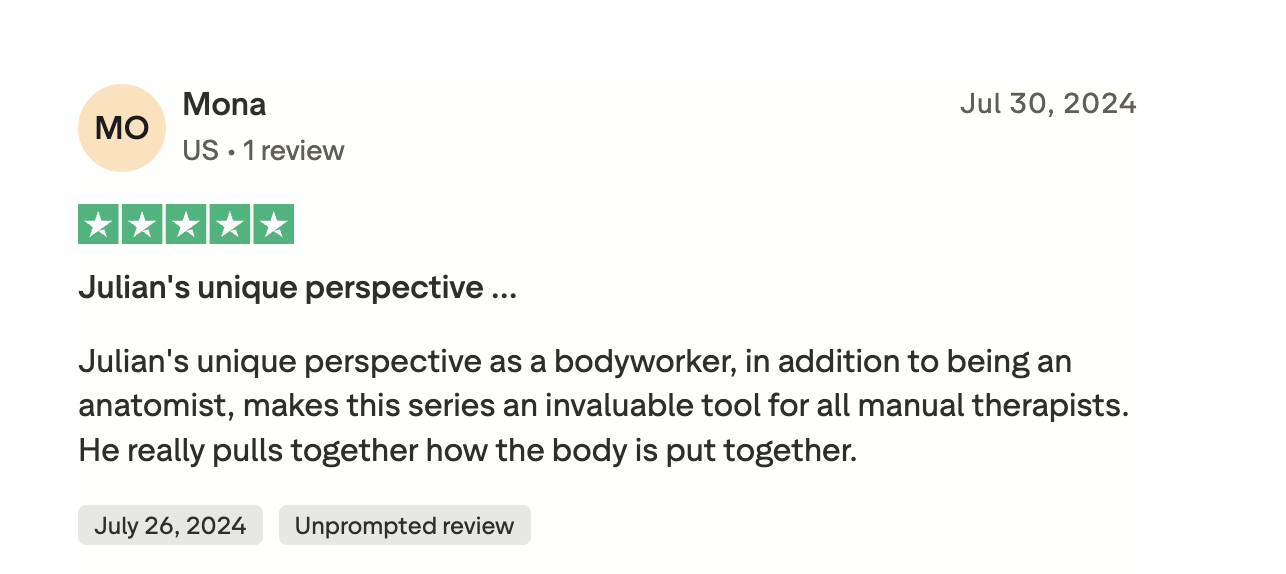
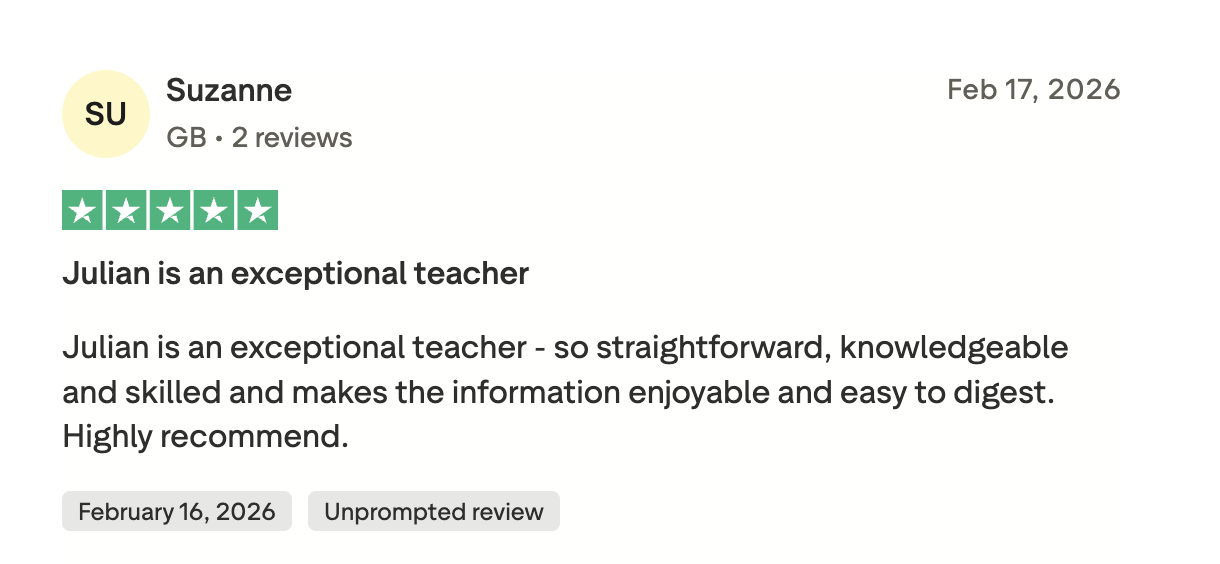
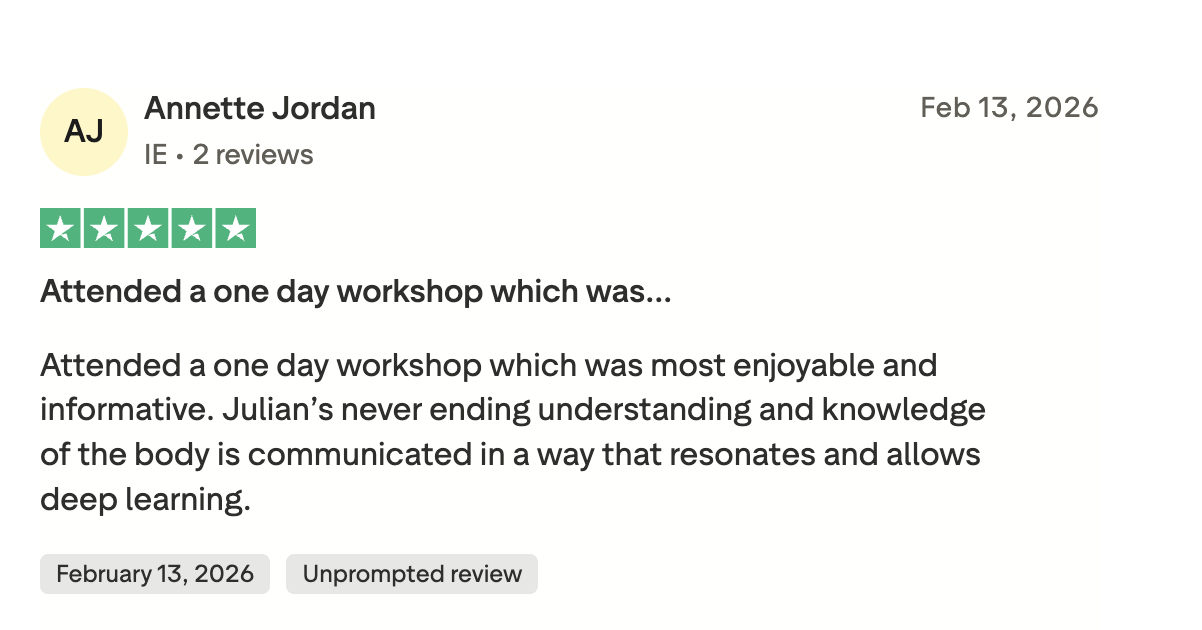
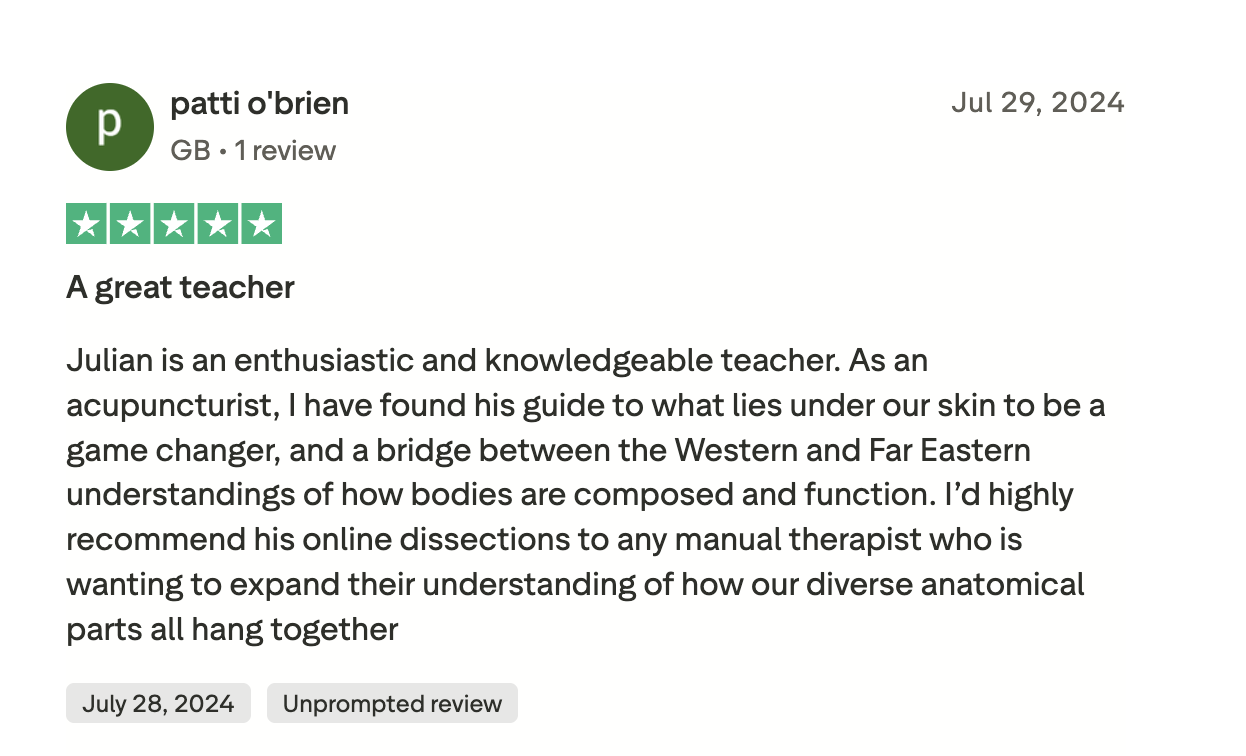
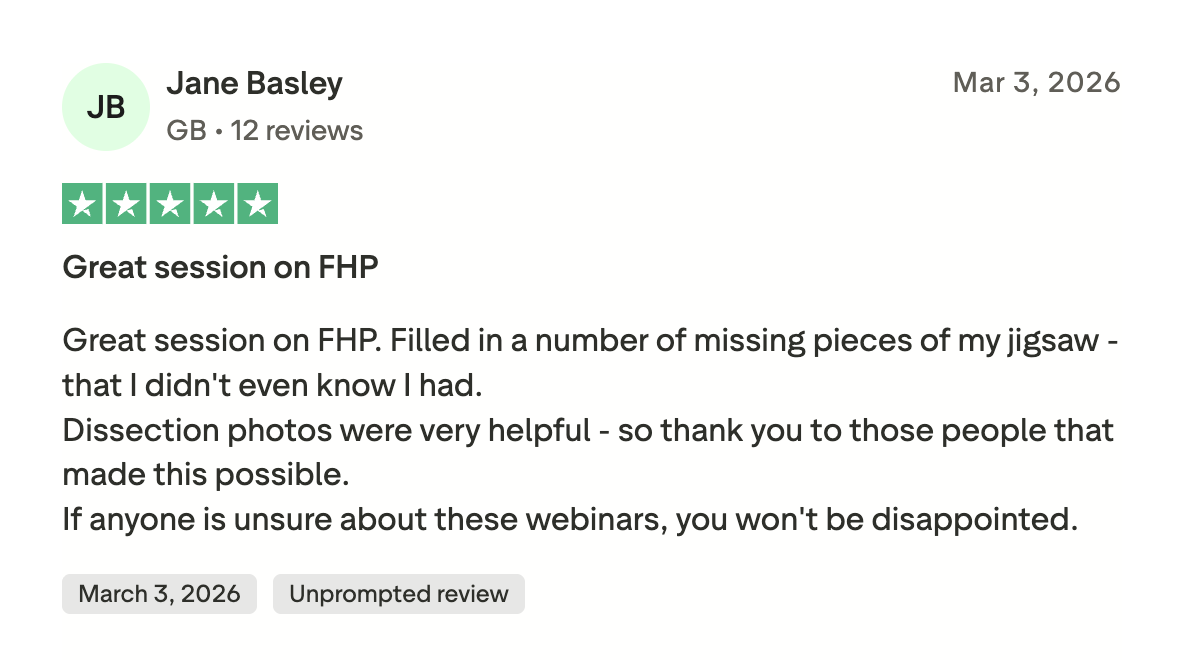
Real reviews from practitioners who have worked with Julian. Newly qualified through to twenty years in practice.

Your Instructor
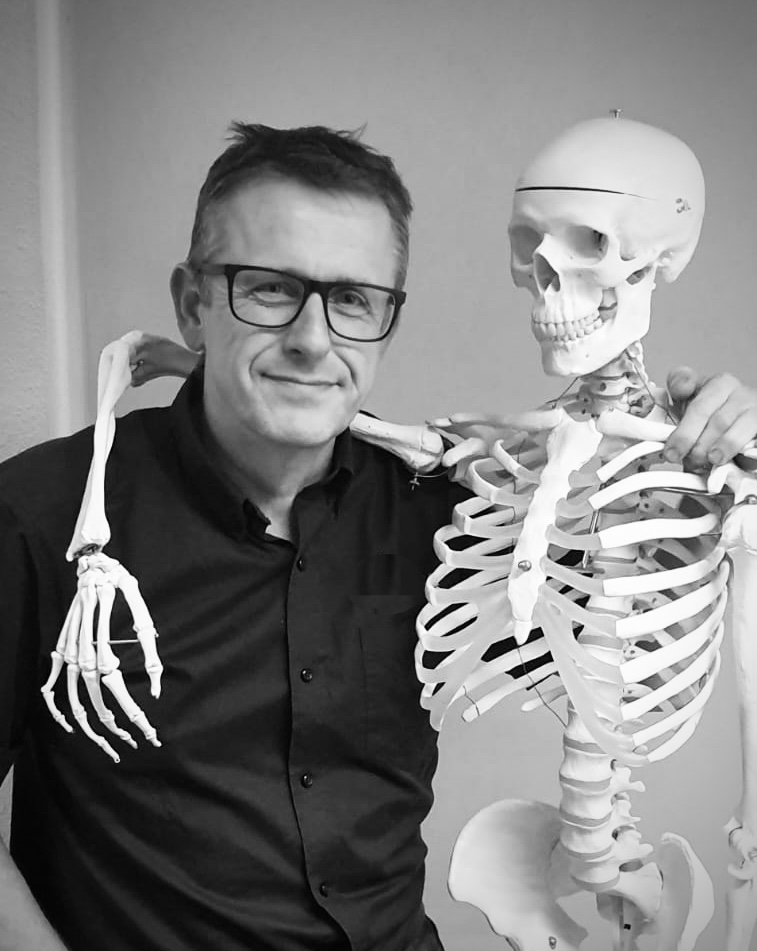
Julian Baker
Anatomist & Manual Therapy Educator
Julian Baker has spent more than 20 years working at the intersection of anatomy, movement and clinical manual therapy. For the last two decades, he has conducted hands-on dissection work alongside manual therapists, guiding practitioners through a process that does not just explain what they are looking at, but how to understand it in context.
When therapists attend his dissection labs, they return to clinic and consistently describe the same thing: a different way of seeing. Not in a mystical sense, but in their ability to interpret what is in front of them, spot patterns, and make sense of presentations that previously might have been less clear. Even therapists with decades of experience find themselves rethinking what they thought they knew.
Julian's position is straightforward: most therapists do not get stuck because they lack skill. They get stuck because they were trained to see the body in parts, rather than as a connected, adaptive system. This cohort is where that changes.